If you’ve spent any time around firearms, whether through history books, movies, or conversations at the range, you’ve probably heard people talk about the 1911.
Not as a pistol, but the pistol.
There’s a reason for that.
The 1911 isn’t a simple piece of equipment. It’s a story.
A design that’s more than a century old, yet still discussed, debated, and appreciated today. And if you’re curious about why it’s earned that reputation, you’re in the right place because this article is all about the things that make the 1911 so special.
Let’s begin…
Why the 1911 Still Gets So Much Attention?
Some designs fade away quietly.
Others refuse to.
The 1911 falls firmly into the second category. Even people who don’t own one,or don’t plan to, often recognize its shape, its name, or its place in history.
That kind of staying power doesn’t happen by accident.
What makes the 1911 special isn’t just how it looks. It’s how early it got things right, and how influential those choices became for generations of firearms that followed.
What’s the history behind?
The story of the 1911 starts in the early 20th century with legendary firearms designer John Moses Browning.
At a time when handgun technology was still evolving, Browning developed a semi-automatic pistol that would go on to be adopted by the U.S. military in, you guessed it, 1911.
For decades, it served as the standard-issue sidearm for American service members, seeing use through both World Wars and beyond.
That long military service cemented the 1911’s reputation for durability and reliability under demanding conditions.
Over time, the design moved from military use into civilian ownership, competitive shooting, and collecting,where it continues to hold a special place.
How the 1911 Works?
You don’t need to be a gunsmith to appreciate the 1911’s design.
At its core, the 1911 is a single-action, semi-automatic pistol.
That simply means it’s designed to fire one round per trigger pull, using the energy from firing to cycle the next round into place. Its layout,slide, frame, barrel,became a blueprint for countless pistols that came after it.
What stood out then, and still stands out now, is how naturally the design fits the hand and how consistent the trigger feel can be when handled responsibly.
Key Safety Features of the 1911 Pistol
When you look at the 1911, it’s easy to focus on its history or reputation.
But one of the reasons this design has lasted so long is because safety was built into it from the start.
Manual Thumb Safety
The thumb safety is there to give you control.
When it’s engaged, it blocks the firing mechanism, helping prevent the pistol from firing when you don’t intend it to. It encourages deliberate handling and awareness, especially during storage or when the firearm is not actively in use.
Grip Safety
The grip safety adds another layer of reassurance.
Unless you’re holding the pistol properly, it won’t fire. This design gently reinforces good habits, reminding you that correct grip and mindful handling matter every time you pick it up.
Internal Safety Mechanisms
Many modern versions of the 1911 include internal safeties that you never see and don’t have to think about.
They work quietly helping reduce the risk of firing if the pistol is dropped or impacted. It’s one example of how the design has evolved while keeping its original intent.
Safety Features Support: They Don’t Replace You
All of these safeties are there to help, but none of them replace responsible behavior.
Safe storage, proper training, and consistent attention are what truly keep things secure. The 1911’s design makes one thing clear: safety starts with the person handling it.
Responsible Ownership Starts With You
No matter the model, the era, or the reputation that comes with it, a firearm is only as safe as the person handling it. Just because the 1911 pistol is a classic doesn’t mean you don’t need to use it with responsibility.
With firearms what truly makes a difference is how you approach ownership every day.
Responsible ownership isn’t about knowing everything, it’s about committing to the basics and taking them seriously.
That starts with:
- Learning and following fundamental firearm safety rules, every time you handle a firearm, not just when it’s convenient.
- Using proper storage methods to help prevent unauthorized access, especially around children or untrained individuals.
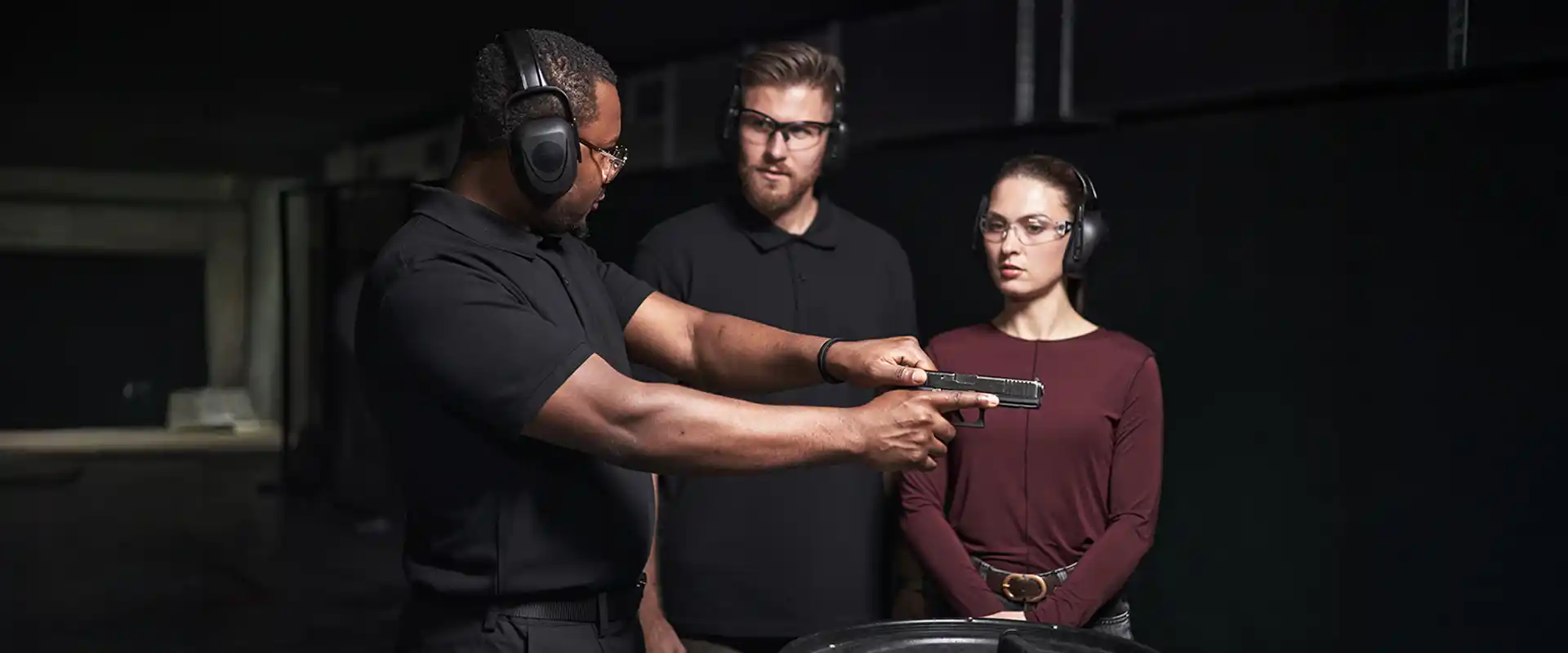
- Seeking professional training when possible, so you build confidence, awareness, and good habits from the start.
- Understanding and complying with local laws and regulations, which can vary by location and change over time.
The 1911 in the Modern World
Military Origins
When the 1911 was first introduced, it wasn’t meant to be iconic; it was meant to work.
Adopted as a military sidearm, it served for decades and through major historical events. Over time, that long service turned the 1911 into something more than a tool. It became a symbol of an era and a benchmark for future designs.
Design Influence
Many elements found in later handguns trace their roots back to the 1911. Its layout, controls, and overall balance influenced how designers thought about semi-automatic pistols for generations.
From Service to Legacy
As newer designs emerged, the 1911’s role naturally evolved.
Today, it’s less about meeting modern demands and more about preserving a piece of history. You’ll often find the 1911 in collections, competitive shooting, and educational discussions where its influence can be appreciated rather than compared.
Modern Production
While the core design remains recognizable, modern manufacturing has changed how 1911s are made.
Updated materials and production techniques allow the classic form to meet contemporary standards, without losing the character that made it enduring in the first place.
Frequently Asked Questions About the 1911 Pistol
When was the 1911 pistol first made?
The 1911 pistol was officially adopted in 1911, which is where it gets its name. Its development began a few years earlier, during a period when handgun design was rapidly evolving.
Who designed the 1911 pistol?
The 1911 was designed by John Moses Browning, one of the most influential firearms designers in history. His work shaped many firearm designs that are still recognizable today.
Why is it called the 1911?
The name comes from the year it was adopted by the U.S. military. Once accepted into service in 1911, the designation stuck and became part of its identity.
What was the 1911 originally used for?
The 1911 was originally developed as a military sidearm. It served U.S. armed forces for decades and was used through major historical periods, including both World Wars.
Is the 1911 still made today?
Yes. While the original design is over a century old, many manufacturers still produce modern versions of the 1911 using updated materials and manufacturing techniques.
Why is the 1911 considered a classic?
The 1911 is considered a classic because of its long service history, influential design, and lasting presence in firearm development. Few designs remain relevant for over 100 years.
Is the 1911 outdated compared to modern pistols?
Not necessarily. While newer designs offer different features, the 1911 continues to be appreciated for its historical significance, craftsmanship, and influence rather than for being cutting-edge technology.